
PRECISION MEDICINE STRATEGIES ARE THE
FUTURE OF HEALTHCARE INNOVATIONS
Region specific determinants such as genetics,
lifestyle, and early life environment can lead to
unique disease phenotypes in the Asia Pacific.
Therapeutics, Diagnostics, and Health
Technology entering this region require tailored
strategies to succeed.

EFFICACY AND SAFETY OF
THERAPEUTICS
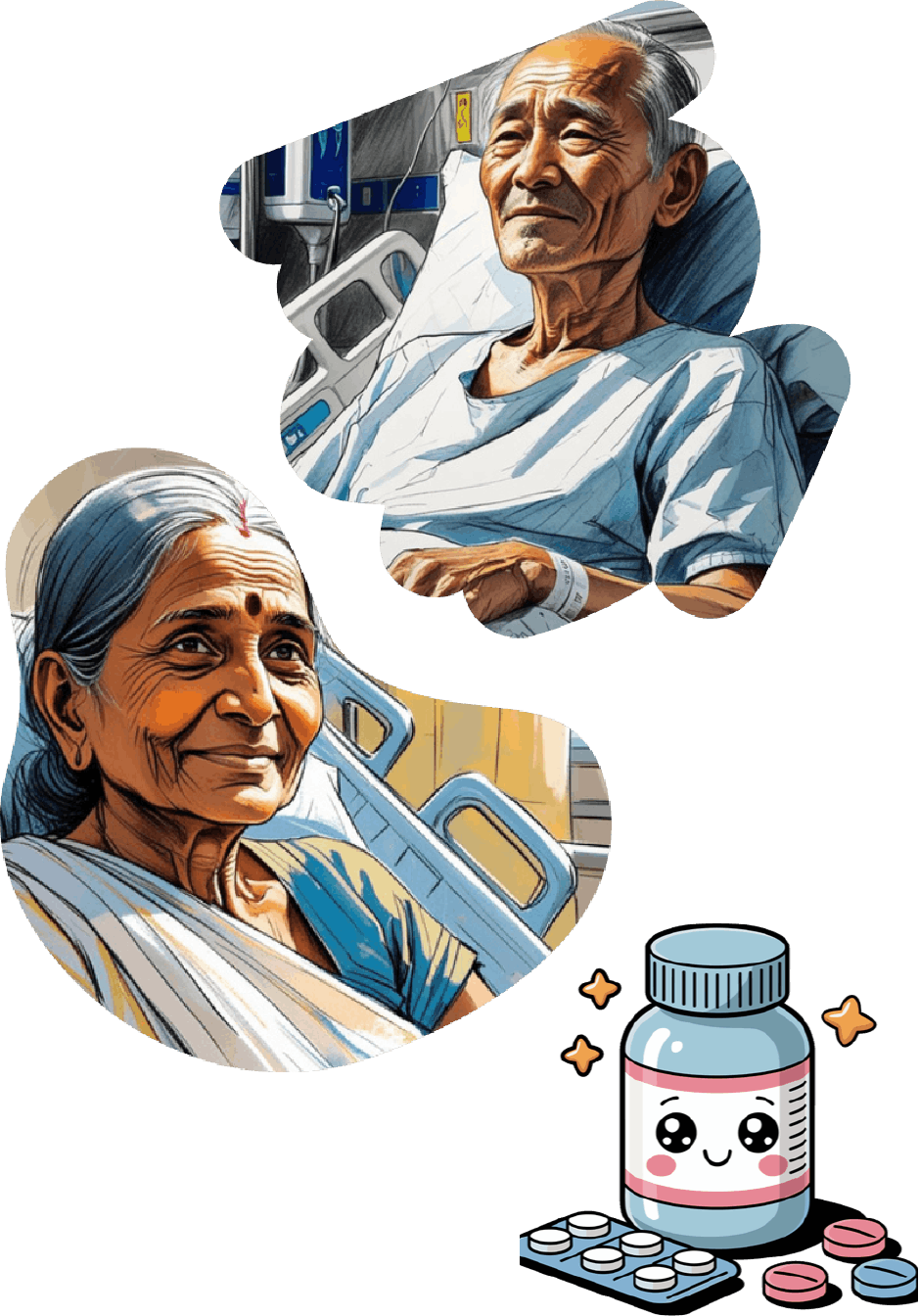
Efficacy and safety data of medications can vary with
ethnicity, partly due to differences in pharmacogenomic
variants that affect drug metabolism, transport, and
targets. Large-scale studies in Asian populations have
demonstrated substantial interethnic variability in the
frequency of actionable pharmacogenetic alleles,
which directly impacts
clinical outcomes.

ASIAN SKIN PHENOTYPES
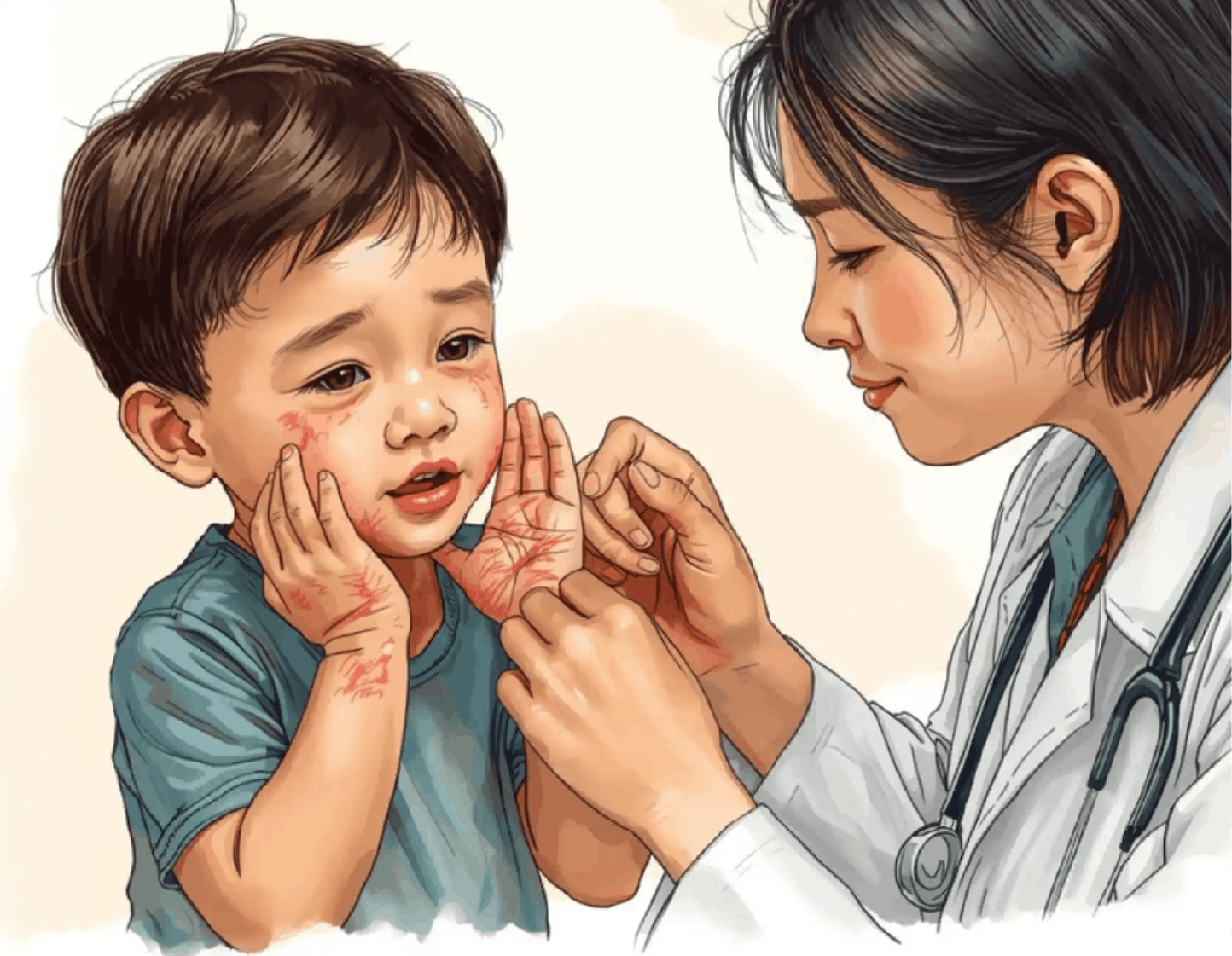
Asian skin exhibits substantial diversity across regions, with measurable
differences between East Asian, South Asian, and Southeast
Asian populations in epidermal thickness, transepidermal
water loss, sebum production, hydration levels, and
pigment biology. Environmental factors, including climate,
humidity, ultraviolet exposure, and altitude, also influence
skin physiology and ageing patterns across the region.
In general, Asian skin tends to show a later onset of deep
wrinkling compared with Caucasian skin, largely due to
higher dermal collagen density and melanin-mediated
photoprotection. However, pigmentary disorders such as
melasma, solar lentigines, and post-inflammatory
hyperpigmentation are more prevalent and often appear
earlier, reflecting higher melanocyte activity and stronger
pigmentary responses to inflammation or UV exposure.
Treatments for dermatological conditions may therefore
have varying efficacy and safety profiles across skin types.


PRECISION ONCOLOGY
Disparities in cancer phenotypes between Asian and Western populations
are shaped by differences in genomic architecture, environmental
exposures, and infection burden.
Asian patients with lung cancer, particularly never-smokers,
show a markedly higher prevalence of EGFR mutations,
whereas Western populations more frequently
harbor KRAS mutations and have stronger
associations with tobacco exposure.
Breast cancer in Asian women tends to present at a
younger, often pre-menopausal age, compared with the
later peak seen in Western populations. Asian breast
cancers also show more frequent TP53 mutations and a
more immune-active tumor microenvironment
compared to Western populations.
Asia also carries a high burden of infection associated malignancies. Hepatitis B-related
hepatocellular carcinoma remains very prevalent in specific Asian subgroups.


ASIA DEMENTIA CARE
Alzheimer’s disease in Asian populations often presents with a
stronger vascular component compared with Western cohorts,
reflecting the higher prevalence of vascular risk factors such as
hypertension, diabetes, and cerebral small vessel disease in
many Asian populations. This contributes to a higher frequency
of mixed dementia, where Alzheimer’s pathology co-exists with
vascular injury than is typically reported in Western cohorts.
Genetically, the APOE ε4 allele (the major genetic risk factor for
late-onset Alzheimer’s disease) is generally less common in
Asian populations, but studies show it confers a stronger
relative risk of Alzheimer’s per allele in East Asians compared
with Europeans, suggesting population-specific genetic effects.
Together, these vascular and genetic differences indicate that
Alzheimer’s phenotypes in Asia may follow somewhat
different clinical and biological trajectories, highlighting the
need for region-specific research and therapeutic strategies.

PRECISION OPHTHALMOLOGY
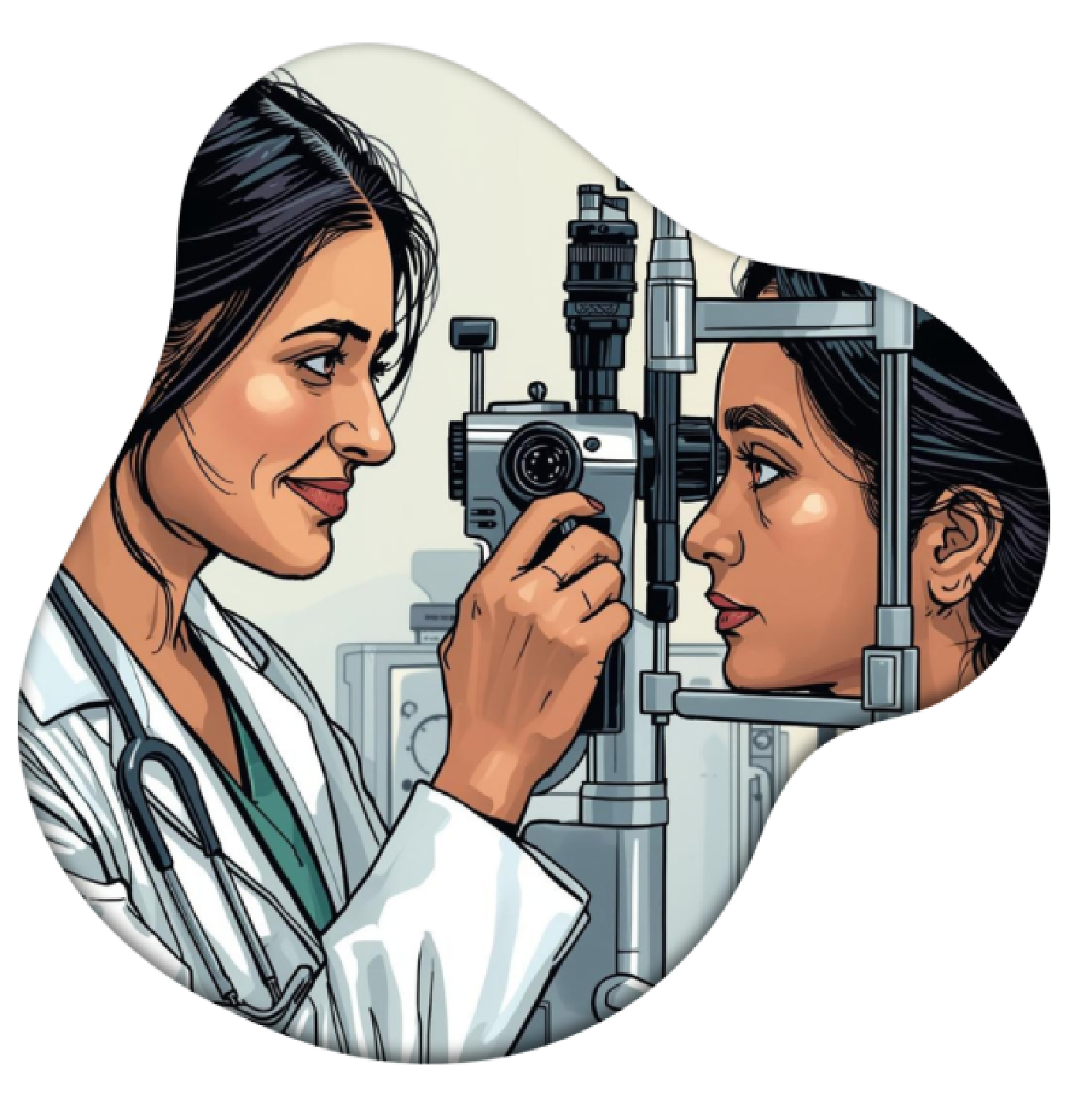
Visual impairment across Asia has increased in absolute numbers between 1990 and
2021 and is projected to continue rising toward 2040, particularly in East and South
Asia. Much of this increase reflects population growth and aging, even though age
standardized blindness rates have declined. Near vision loss, primarily due to
uncorrected presbyopia, is the largest contributor to visual impairment in the region.
Women also bear a disproportionately higher burden of vision loss across many
Asian populations.
RARE DISEASES IN ASIA
It is estimated that more than 258 million individuals are living with rare diseases in
Asia, where persistent gaps in diagnostic capacity, awareness, and access to specialised
care across the region exist. Health systems in Asia are highly heterogeneous, with
substantial variation in insurance coverage, regulatory frameworks, availability of
genetic testing, and social support structures, which limits the direct applicability of rare
disease models developed in the West.
Addressing these challenges requires context-specific,
adaptive strategies, where real world evidence, health
economic evaluations, and policy research complement
clinical trial data to better characterise disease burden and
inform reimbursement and access decisions within local
health system constraints. In parallel, patient engagement
also remains underdeveloped in many parts of Asia.
Patient organisations in the West, in contrast, play a central
role in shaping rare disease policies, accelerating diagnosis,
and improving access to care, while many countries in Asia
still lack the structural support and policy mechanisms
needed to enable meaningful participation of people living
with rare diseases in healthcare decision making.
FOR PERSONALISED AND ACCURATE
PROJECT-BASED MEDICAL AFFAIRS SUPPORT,
CONTACT US FOR A QUOTE AT